Our AI Principles, Part 2: Ethics Cannot Be Automated
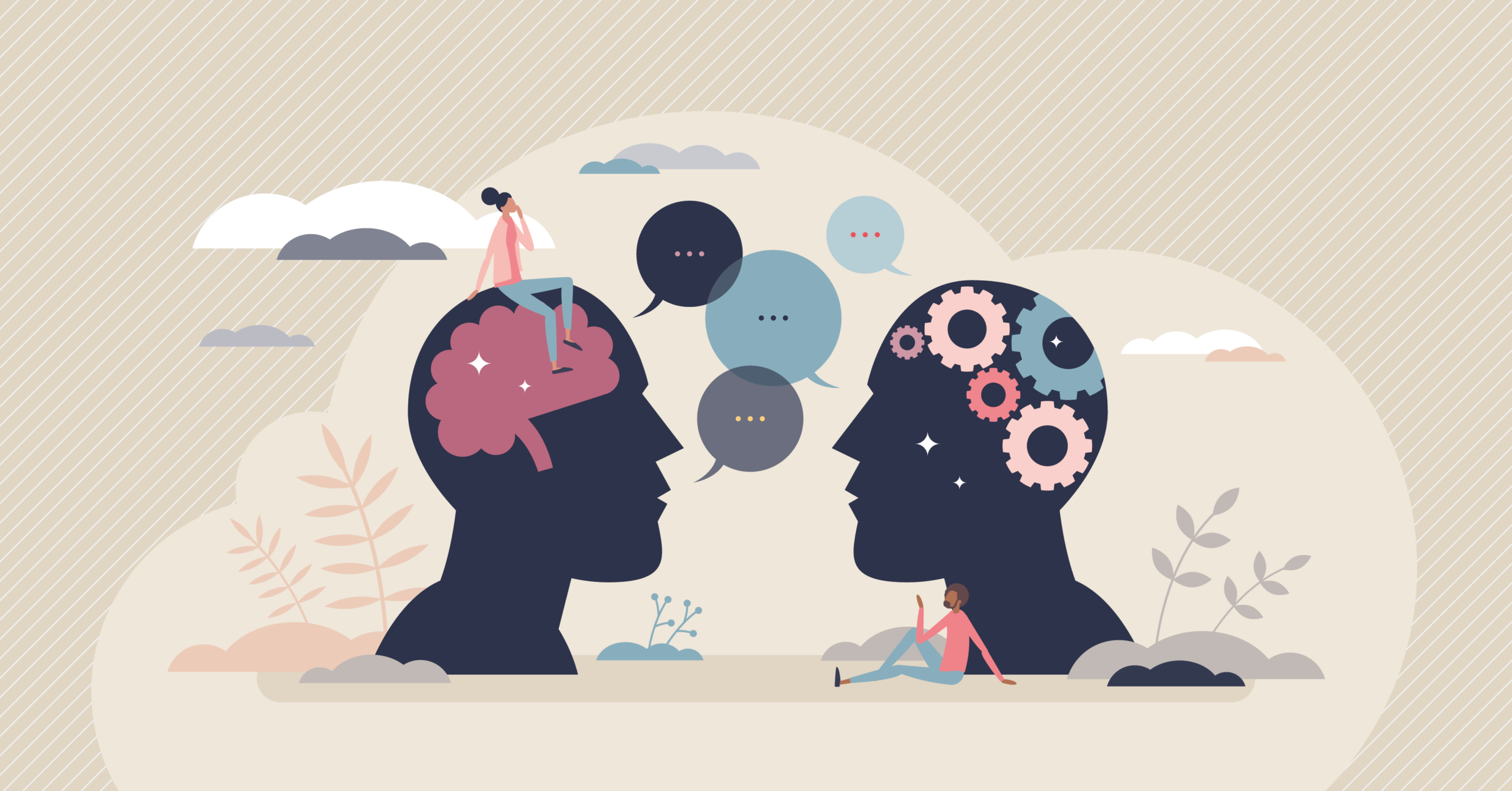
Every day, we are inundated with information. To keep track of everything, we outsource our thought processes. We all do it automatically. Experts refer to this as “cognitive offloading.” Even simple actions, such as turning a map so that we can read it better, are examples of cognitive offloading. External tools such as navigation systems and calculators support us in this. There is nothing wrong with this; on the contrary, it creates mental space and thus room for the essentials.
Generative AI can also take some of the strain off us. It helps us structure our thoughts, overcome mental blocks, and edit texts more efficiently. However, what starts out as useful outsourcing can quickly turn into problematic convenience. This raises a crucial question: Which thought processes are we outsourcing, and where do we consciously retain control?
Machines Do Not Have an Ethics Algorithm
AI cannot make decisions or even reflect on them. It generates text or images without truly understanding their content. And although AI cannot think, it is not neutral. It does not have its own convictions, but it can learn them through training data. This means that AI automatically reproduces human opinions, worldviews, and prejudices.
We are aware of this and therefore rely on our ability to think critically in order to identify bias, exclusions, and blind spots in our work with AI.
What Our Routine Looks Like
1. Ask questions instead of following orders
We never accept the output of AI unfiltered. Instead, we check, interpret, and reject it. In doing so, we ask ourselves the following questions:
- Who is speaking here and from what perspective?
- Who is not being considered or even excluded?
- What implicit assumptions could be contained in this statement?
- 2. Dual control principle
All texts undergo a double check: by the person who wrote them and by another Mashie. We don’t just look at facts, but also at values, possible bias, and impact.
- 3. Continuing education
We are constantly exchanging ideas and expanding our knowledge. In addition to specialist training courses, we use our creative meetings to discuss experiences, doubts, and developments in working with AI. We also share observations via our Slack channel in our day-to-day work. This enables us to learn from each other and stay up to date.
- 4. Diversity through discourse
By exchanging opinions and creating open space for discussion, we foster diversity of thought. After all, the more perspectives we have, the more likely we are to recognize what automated systems may be overlooking.
- 5. Our signature remains
AI is not individual. But we are. As experts in our field, we contribute our personal strengths, experience, and perspectives. That is why our signature style and expertise are indispensable.
AI-Free Spaces: The Core of our Work
When we work with our clients, it’s all about listening, understanding and making decisions together. Decisions that are based on individual needs, values and visions. What we develop together in kick-off meetings, jours fixes or workshops cannot be replaced by AI. These results are the result of dialog and thrive on individuality, creativity, empathy, knowledge and experience.
Our Credo
We believe in transparency rather than a black box: Yes, we work with generative AI, but we see it as a tool, not a substitute for critical thinking, creativity, and judgment. Words have power. And we take responsibility long before the first sentence is written.

Laura-Marie Buchholz ist Kommunikationsexpertin mit einem Studium in Gesellschafts- und Wirtschaftskommunikation. In ihrer Rolle als Junior-Beraterin in Public Relations hat sie besonders Freude daran, Kommunikationsstrategien zu entwickeln, die Kunden durch Storytelling authentisch und nachhaltig sichtbar machen.
Share this article
Related articles




10 March 2026
Data Storytelling 2.0: How AI Creates Perspectives – And Demands Responsibility
Read More